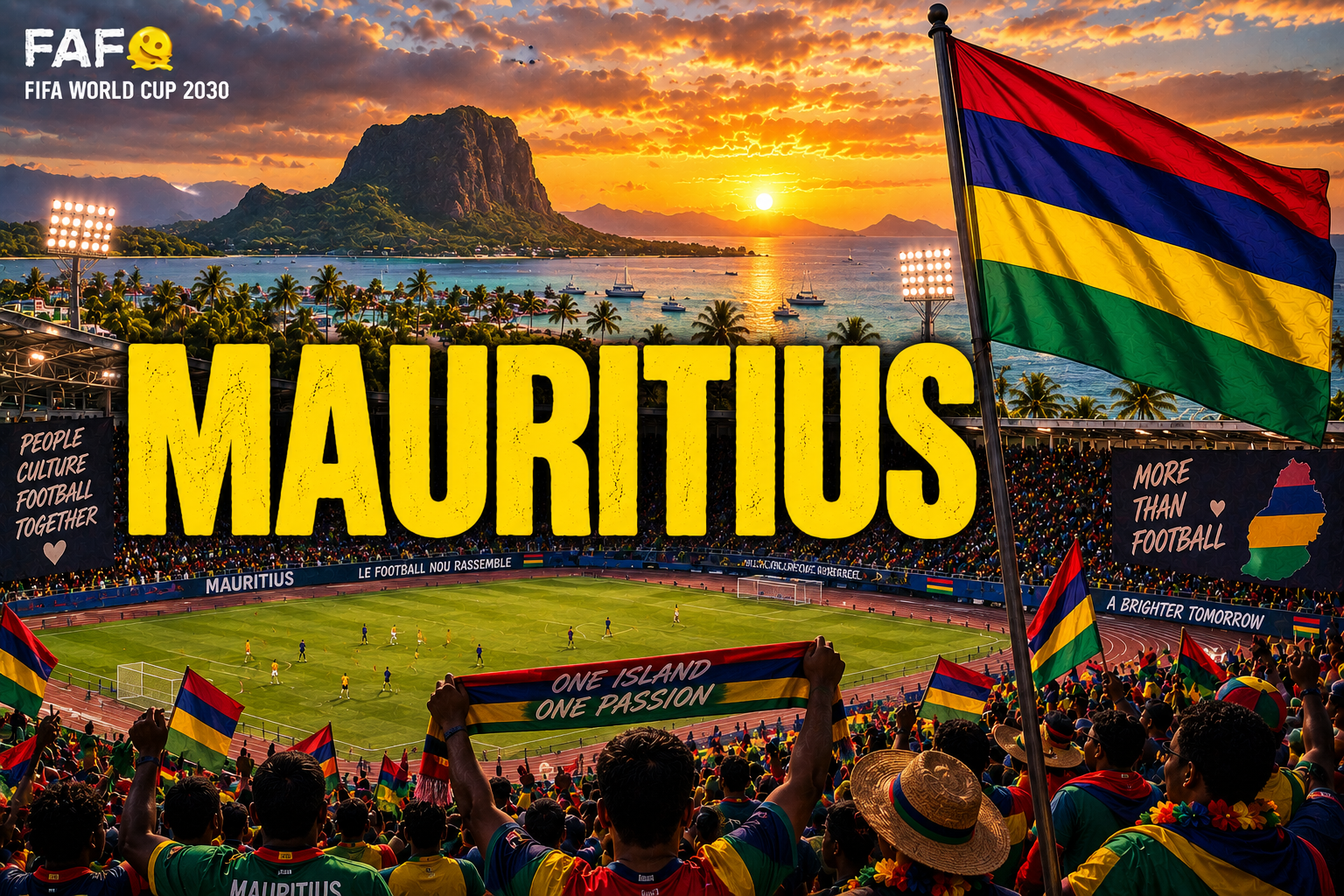
The 2030 FIFA World Cup in Spain, Portugal & Morocco is only about 46 moons away (depending on your own set of lunar circumstances) and it promises to be a real doozy. World Cup history is a tale resplendent with stories of triumph against the odds, childhood dreams coming true and unsung heroes becoming legends. As well as dumb idiot losers, wanker fuck-ups and teams that are just total bullshit.
But how shall ye learn about these legends, losers and teams that are just total bullshit? Well look no further my wayward friend as I profile all 211 FIFA nations eligible for World Cup qualification. Today, I take a look at Mauritius, which is yet to qualify for a World Cup.


MAURITIUS
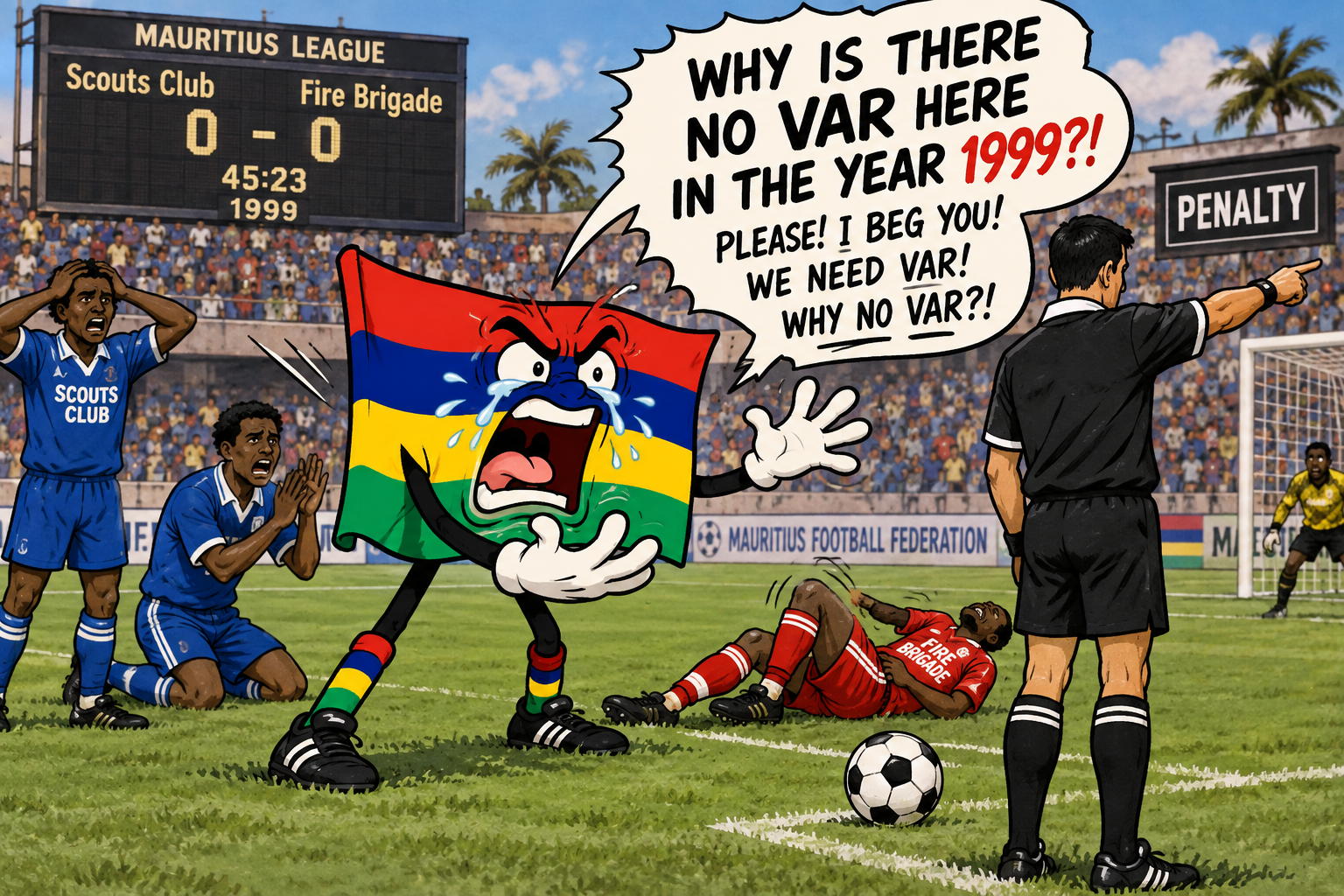
Is it too late to refer a 1999 penalty decision to VAR? & In 2024, finally got a win in World CCup qualifying since 2003! Heyyyoooo

Nickname: The Dodos
FIFA Ranking: 178 (Sep 2026)
Qualified for World Cup Finals: Never
Best WC result: 2006, losing 4–3 on aggregate to Uganda in the preliminary round; victory would have put them into the final six-team qualifying group for Germany.
FIFA World Cup 2026 result: Mauritius finished fifth in their 2026 World Cup qualifying group with six points, winning once — 2–1 against Eswatini — and never seriously threatening qualification.
It’s a good thing that the last 27 years haven’t been a total clusterfuck for the Mauritian national soccer team.
Thank god that Mauritius wasn’t built initially on a history of slavery that was then supplanted by an influx of indentured workers from India that would eventually lead to centuries-old simmering ethnic tensions boiling over in 1999 with rioting in the capital Port Louis following the brutal murder by police of iconic national hero and founder of Mauritian Seggae music, Kaya, while he was in custody following his arrest for smoking marijuana at a decriminalisation rally. What a lucky break it is that Mauritius didn’t develop with unsettled prejudices between Hindus, Muslims and Catholic Creoles, and that institutionalised racism that historically favoured whites in positions of power and has not recently favoured Hindu governing that has been accused of the persecution of Creoles. How fortunate it is that there aren’t deep-seeded tensions and endemic intractable unrest between the majority Hindu population, Creole Catholics and Muslims. And thank god that on Sunday May 23rd 1999, the Mauritius Football Association hadn’t scheduled a potentially explosive clash that ended up being the decisive match in the title race right at the end of the season, between the predominantly Muslim-supported Scouts Club and Fire Brigade, a club traditionally associated with Catholics and people of Creole ethnicity.
Mauritius can thank its lucky stars that ethnic and religious tensions weren’t already at breaking point before the title deciding match in 1999. Luckily, in a spiteful encounter, the referee didn’t award a controversial penalty to Fire Brigade that was subsequently scored and proved to be the decisive title-winning goal. Thankfully, the result didn’t set off rioting between rival supporters that spilled onto the streets of Port Louis. Fortunately, the rioting by rival fans didn’t continue, further fuelled by recent events, cars in the local area weren’t destroyed, stores weren’t looted and sugar canes weren’t torched in rural areas. And it’s a good thing that the headquarters of the Mauritius Football Association and the Pope Hennessy Police Station weren’t vandalised. And wow, Mauritius can be so grateful that the rioting didn’t end up costing lives after Port Louis gambling house L’Amicale was engulfed in flames after molotov cocktails were thrown into the building that at the time had 275 people trapped inside. Luckily, seven people didn’t die in the blaze that ultimately would land four supporters of Scouts Club in prison for life (later reduced to 20 years). And it’s such a lucky thing that as a result it didn’t lead to the 18-month suspension of the national league, and spark a chain reaction of steady deterioration that the soccer in the country and the national team has never recovered from. And since then, what a relief that the national team hasn’t plummeted from #118 in the FIFA World Rankings in 1999 to low as #202 in 2012 and now mired all the way down at #178.
Oh no. Wait. Shit, all that did happen. Damn it. Fuck. That’s fucked up.
Um, any chance of getting a VAR review of that penalty in 1999?

Last three World Cup Finals
N/A
Last three World Cup qualification campaigns
2018: Eliminated by Kenya in the first round, 5–2 on aggregate — a 5–2 home loss followed by a 0–0 draw away.
2022: Eliminated by Mozambique in the first round, 3–0 on aggregate, losing both legs without scoring.
2026: Finished 5th of 6 in Group D with 6 points, recording one win — 2–1 over Eswatini — from 10 matches.
One to watch: The dodo

The famed dodo was native to Mauritius and if recent advancements in the sequencing of animal genomes are anything to go by, we may one day see the resurrection of this obese clumsy mess. And I for one would love nothing more than to pay a shit ton of cash to fly halfway round the world to Mauritius just to once again be able to see a bird that’s fat, slow, was slow to reproduce, too slow to evolve, has lost the ability to fly and its greatest redeeming traits and evolutionary assets were the strength of its pelvis and knee joints. Wow. PLEASE. Sign me up.
I do admire its pelvis strengh though. Great for dead lifting furniture I presume.
The Highpoint: Anytime before that penalty (see above)

Sure, Mauritius did qualify for the Africa Cup of Nations in 1974, have won the Indian Ocean Triangulaire Games 10 times and the Indian Ocean Games twice, but let’s be real here, just pick any time, at all, before that penalty was awarded in the deciding game of the 1998/99 championship between Scouts Club and Fire Brigade and you’ve got yourself a better situation in Mauritian soccer than now. Any moment, seriously, like, let’s say when Scouts Club scored the winner vs Sunrise Flacq United that same season (above) or even the moment below in the same game (WHAT A MOMENT. Tight stationary game player.) Those’ll do. Seriously, any moment such as that above or this below, before that penalty, was bliss… Oh, the glory days, how we miss thee.

A sporting experience you’ve gotta go to that’s uniquely local and awesome (and doable): A race day at Champ de Mars, Port Louis
Horse racing is a genuine piece of Mauritian popular culture rather than a luxury tourist experience: the 2026 season opener drew roughly 9,000–10,000 people, and the recent Maiden Cup brought families (sep 2026), hardcore turfistes, food, music and a roaring crowd.
One unique natural experience to see/visit/experience: Hike Black River Gorges National Park
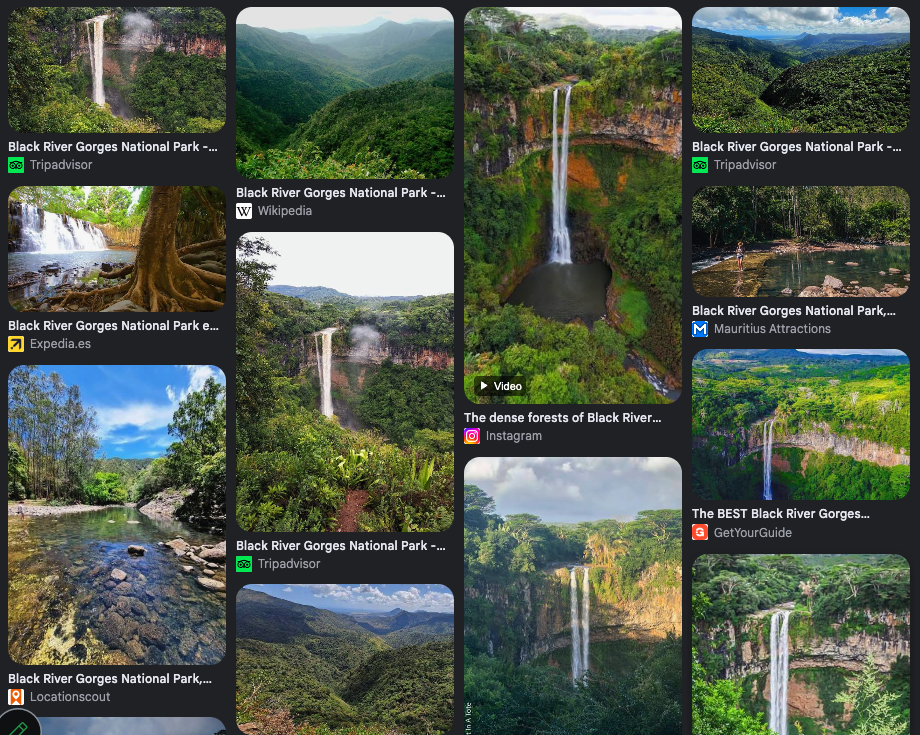
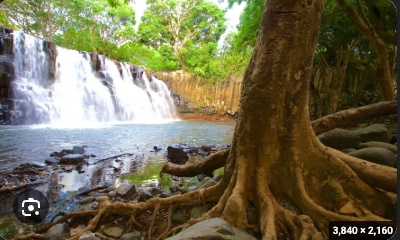
Rather than simply photograph Chamarel and leave, I’d make the pick the actual hike through Mauritius’s surviving native forest: endemic plants and birds, deep gorges, ridgelines and that interior landscape which is completely different from the resort-beach image of Mauritius.
One town/city that the locals love: Mahébourg
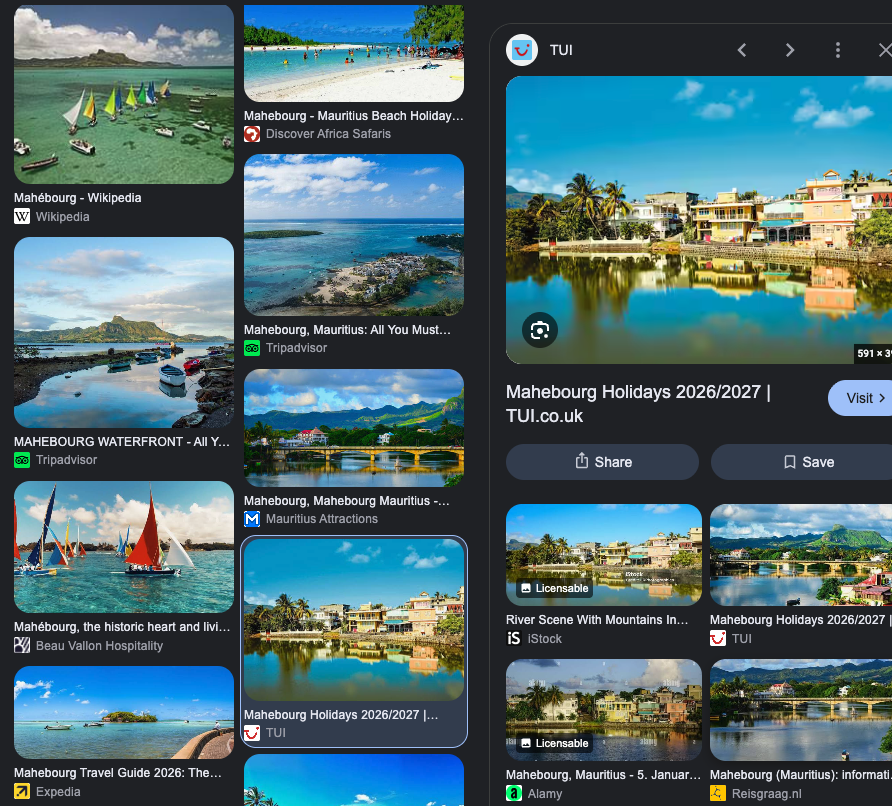
This is the one I’d take over Port Louis or Grand Baie: an old southeastern town with waterfront, market, street food and fishing-town character where you can still encounter everyday Mauritian life; locals recommending places to visitors repeatedly point toward Mahébourg as authentic and somewhere to actually meet Mauritians.
Food you’ve gotta have: dholl puri. No contest.
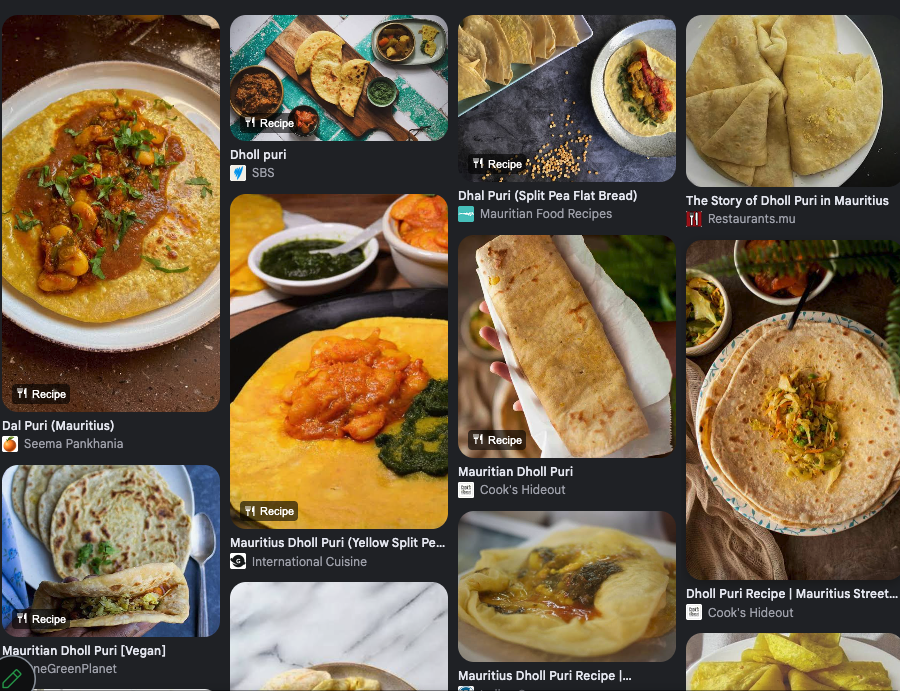
Thin flatbread stuffed with ground yellow split peas, normally loaded with things like gros pois curry, rougaille, chutney and chilli; one Mauritian food source literally describes it as the food expatriates miss most from home, while another calls it the island’s de facto national dish.
A drink you’ve gotta smash: Phoenix Beer
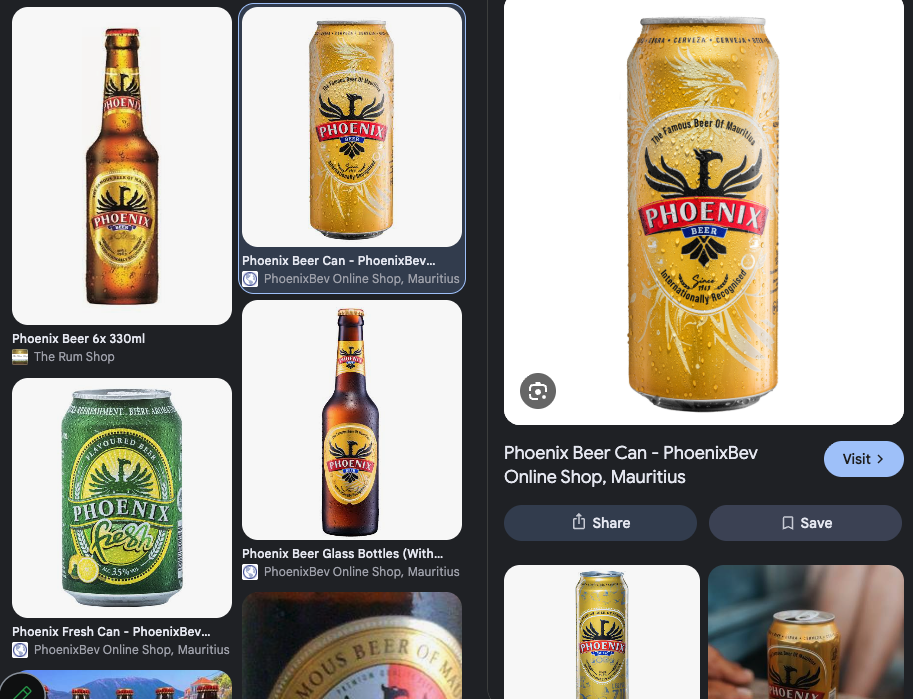
f we’re doing the “Mauritian abroad sees another Mauritian and immediately knows the drink” test, I’d take Phoenix over alouda: it’s been brewed locally since 1963, describes itself with the Creole signature “Nou tou ansam” (“we’re all together”), and local sources describe it as Mauritius’s most popular beer.
The Wedding Banger: “Li Tourner” by Alain Ramanisum
This is my strongest pick for your particular test: it’s a Mauritian séga cult hit built to make people dance, became enormous well beyond Mauritius, and Mauritian reporting specifically describes expatriates celebrating hearing their local séga abroad; at a major Cassiya concert, “Li Tourner” was the climactic number that sent the crowd off.
3 Legends
🥊 Sport — Bruno Julie
The cleanest choice. Julie won bantamweight bronze at Beijing 2008, becoming Mauritius’s first Olympic medallist; it remains the country’s only senior Olympic medal. That makes him a proper national sporting landmark rather than simply a successful athlete.
🎵 Music — Kaya (Joseph Réginald Topize)
Absolutely Kaya. He fused traditional Mauritian séga with reggae to create seggae, singing in Mauritian Creole about identity, inequality and belonging. His death in police custody in 1999 became a major moment in modern Mauritian history, while his music remains deeply tied to Mauritian identity.
🎨 Culture — Malcolm de Chazal
Writer, painter, poet and gloriously difficult-to-categorise Mauritian thinker, best known internationally for Sens-Plastique. He spent almost his entire life in Mauritius and turned the island’s landscapes, plants, colours and multicultural identity into a distinctive body of art and writing.
🫠 FAFO Favourites
⚽ Jonathan Bru — football
Former Mauritius international and captain, French-born to Mauritian parents, who played professionally in Europe before representing Mauritius. He gives you exactly the useful Wheel-of-Nations conversation: what does Mauritian football actually mean, why hasn’t such a football-mad island gone further, and what needs to change?
🎶 Alain Ramanisum — music
This one connects beautifully with the episode because “Li Tourner” is already our wedding-banger pick. He’s one of the major modern séga performers, so instead of merely playing the song you potentially get the bloke behind it explaining why Mauritians lose their minds when it comes on.
🎭 Miselaine Duval — culture/comedy
Mauritian comedian, actress, writer and producer associated with the hugely popular Komiko theatre company. She’s potentially the most FAFO-ish of the three because comedy gets you straight into how Mauritians actually talk, what they laugh about, Creole language, cultural stereotypes and everyday island life rather than another generic tourism conversation.
Learn the lingo & speak like a local!

SIDENOTE: On reggae
Bob Marley’s connection to Mauritius is mostly cultural rather than personal: reggae and Rastafari hit Mauritius hard in the late 1970s and ’80s, and Marley became a huge influence on the island’s Creole music scene. The biggest link is Joseph Réginald Topize, Mauritius’s legendary musician who renamed himself Kaya after Marley’s 1978 album Kaya and then created seggae — the fusion of Mauritian sega and Jamaican reggae.
That influence became enormous: Kaya is often described as the defining voice of Mauritian seggae, and Marley’s music helped transmit Rastafarian ideas into Mauritius; local musicians have explicitly described Marley as foundational to their own careers.
There’s also a neat later footnote: in 2018, UNESCO’s committee meeting in Mauritius approved reggae for its Intangible Cultural Heritage list, and the Jamaican delegation celebrated by singing “One Love.”
Ah — seggae. The name is basically a portmanteau: séga + reggae = seggae.
Mauritian musician Kaya (Joseph Réginald Topize) coined the term for the style he developed in the late 1980s, combining the traditional Mauritian séga rhythm and Creole identity with Jamaican reggae’s offbeat guitar, bass-heavy sound, Rastafari influence and social commentary. Mauritius’s own National Heritage Fund describes it explicitly as a mixture of Jamaican reggae and Mauritian séga